







Search Results for: Coffee sweetness
High-Sweetness, Low-Acidity Single-Origin Pour-Over Beans | What Factors Affect Coffee Sweetness? 4 Recommended Specialty Pour-Over Beans with Pronounced Sweetness and Rich Fruity Aromas
When we say coffee is sweet, besides referring to the sweetness on the palate, we are actually also referring to the sweet aroma on the nose. So from a tasting perspective, only an acidic coffee with a sweet, fragrant base can be considered a high-scoring flavor experience, and to make coffee appropriately sweet and sour, roasting plays a key role. From the moment a coffee bean begins to be heated as green beans until [more…]
Not a Fan of Sour or Bitter: Sweet Pour-Over Bean Recommendations to Truly Understand "Sweetness"
In the flavor spectrum of coffee, "sweetness" is the most easily overlooked segment. Many people waver between acidity and bitterness, yet fail to realize that in specialty coffee there is an entire route centered on sweetness—smooth, easy to drink, and appealing to all ages. This article explains sweet-tasting beans all at once. Where does coffee's sweetness come from? Coffee's sweetness mainly comes from roasting. [more…]
Recommendations for Coffee Beans with Pronounced Sweetness | Where Does Coffee Sweetness Come From? How to Describe the Coffee Flavor of Natural Yirgacheffe? Is Brazilian Coffee Only Bitter?
For more specialty coffee knowledge, please follow our WeChat official account: Front Street Coffee (FrontStreet Coffee). Everyone has different perceptions and preferences when it comes to the taste of coffee. Some friends think of coffee as that rich, fragrant, bitter brew, while others love coffee with a tangy acidity, and still others [more…]

A Coffee Newbie-Friendly List of Single-Origin Beans for Pour-Over | What Key Points in Pour-Over Can Enhance Coffee Sweetness? Which Beans with Strong Sweetness Are Recommended?
Why are we so obsessed with brewing coffee to be sweet? Probably because sweetness can trigger dopamine release, making us feel pleasure! If you want to brew coffee sweet, you first need to understand coffee's sweetness. Coffee's sweetness does not exist independently; it stands out through the balance between acidity and bitterness. For example, light-roasted coffee [more…]
Recommendations for Pour-Over Single-Origin Beans with Strong Sweetness | What Factors Affect the Sweetness of Coffee Beans? Do Yirgacheffe, Costa Rica Strawberry Candy, and Mozart Differ Much in Flavor When Made as Pour-Over?
For more specialty coffee knowledge, please follow our WeChat official account: FrontStreet Coffee. Everyone's perception of and preference for coffee flavors is different. Some friends think of coffee as that rich, aromatic bitter drink, while others love sour coffee, and still others [more…]
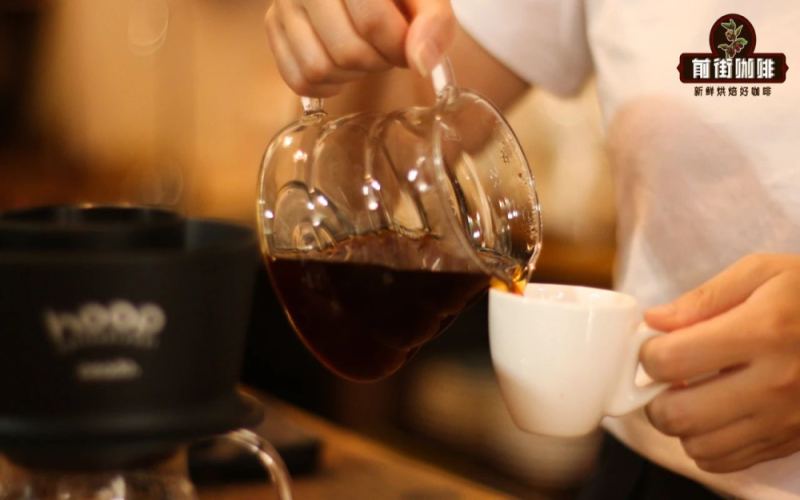
Beginner's Everyday Beans | Which Coffee Beans Are Good for Pour-Over Without Being Sour? Recommended Dark Roast Single-Origin Pour-Over Beans That Are Neither Bitter Nor Astringent, with a Long-Lasting Sweet Finish
"A sweet aftertaste that promotes salivation, with bitterness giving way to sweetness" is the highest praise people give to a good cup of tea, and in coffee tasting, people also often use the term "sweet aftertaste," usually referring to coffee having a pleasing mouthfeel. So what exactly kind of taste experience is it when you perceive a sweet aftertaste in coffee? And how does it differ from the sweetness of coffee? [more…]
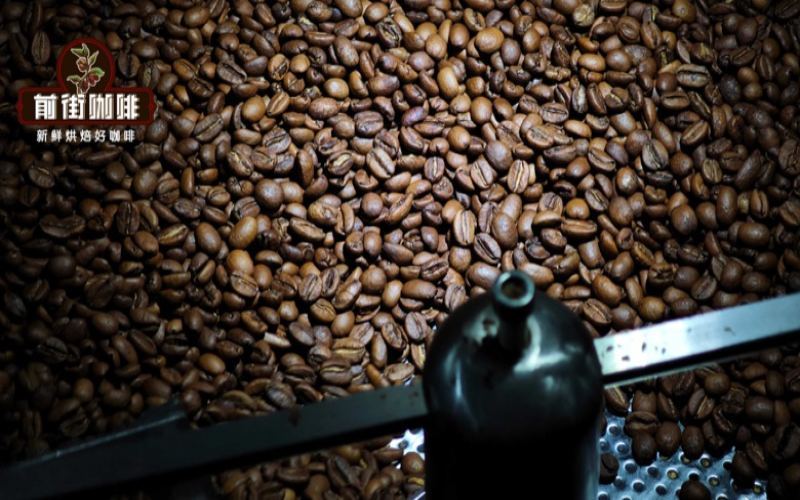
Sweet aftertaste coffee beans: a flavor path with low acidity and lingering sweetness
Beans with understated acidity and a prominent sweet finish place their flavor emphasis on sweetness and aftertaste: natural (dry) processing and medium-dark roasting round off the acidity, leaving a lingering sweetness. Front Street Coffee's Ethiopian Huakui has a sweet finish with a passion fruit aftertaste; the acidity on the palate flashes by, and sweetness takes over the second half. In Kafa Forest, the sweetness actually becomes more pronounced as the temperature drops. [more…]
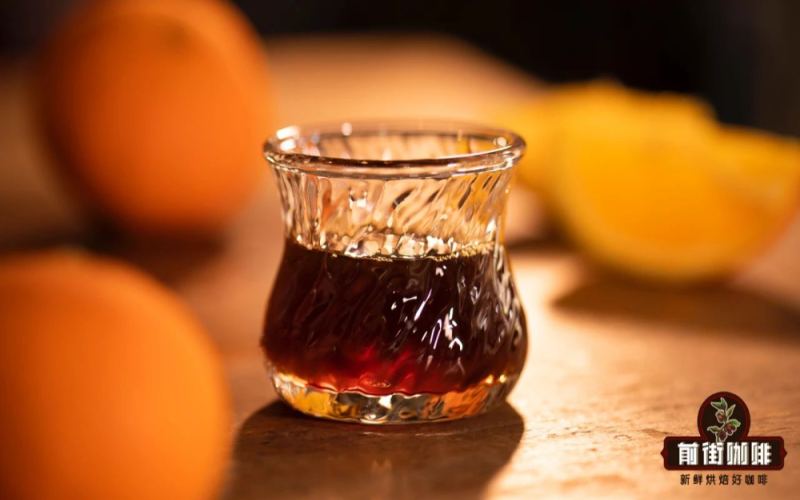
High-Value Specialty Hand-Brewed Coffee Beans | How to Brew Single-Origin Beans as Hand-Drip Black Coffee with High Sweetness? Where Does the Sweet Aroma of Hand-Brewed Coffee Beans Come From?
To some people, black coffee is bitter; to others, it's sour. But if you hear someone say, "Wow, this cup of coffee is so sweet!" you'd probably think to yourself, "How could black coffee possibly be sweet?" As Front Street has explained in the article analyzing the chemical composition of green coffee beans, the sucrose in green coffee beans, [more…]
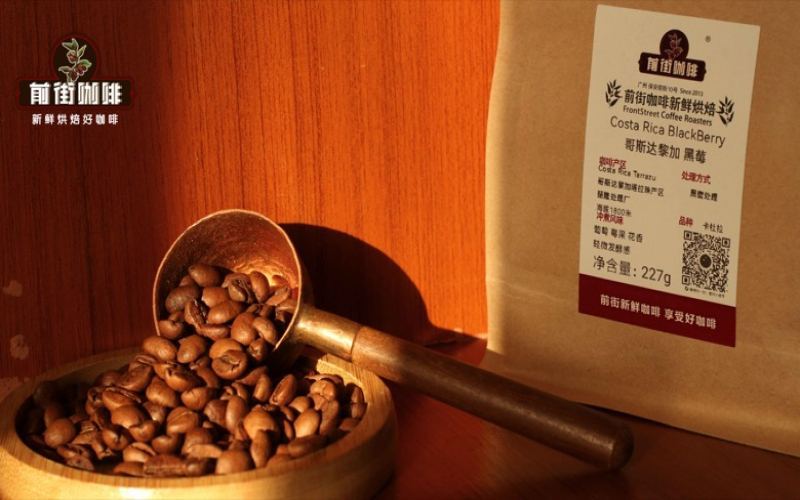
Coffee Beans with Prominent Sweetness: Where Does the Sweetness Come from Without Adding Sugar?
The sweetness in coffee isn't from added sugar, but from the sugars inherent in the beans expressing themselves through roasting and extraction: washed and medium-dark roasts show the most pronounced sweetness. Front Street Coffee's Colombia Higuito has a sweetness with juicy characteristics, balancing the sweet-tart notes of passion fruit and grape; while the Panama Emerald Estate Red Label's sweetness is delicate and lingering, hiding within the black tea's returning sweetness [more…]

How to choose coffee beans with strong sweetness: pick flavors by roast level
To drink coffee with a more pronounced sweetness, roast level is a very practical starting point. Light roasts lean toward fruity, floral, and honeyed notes; medium roasts commonly show caramel, nutty, and ripe-fruit sweetness; medium-dark roasts are more like dark chocolate, roasted nuts, or syrup. Sweetness doesn't mean there's no acidity—rather, it's what lingers in the mouth both as you sip and after you swallow. [more…]
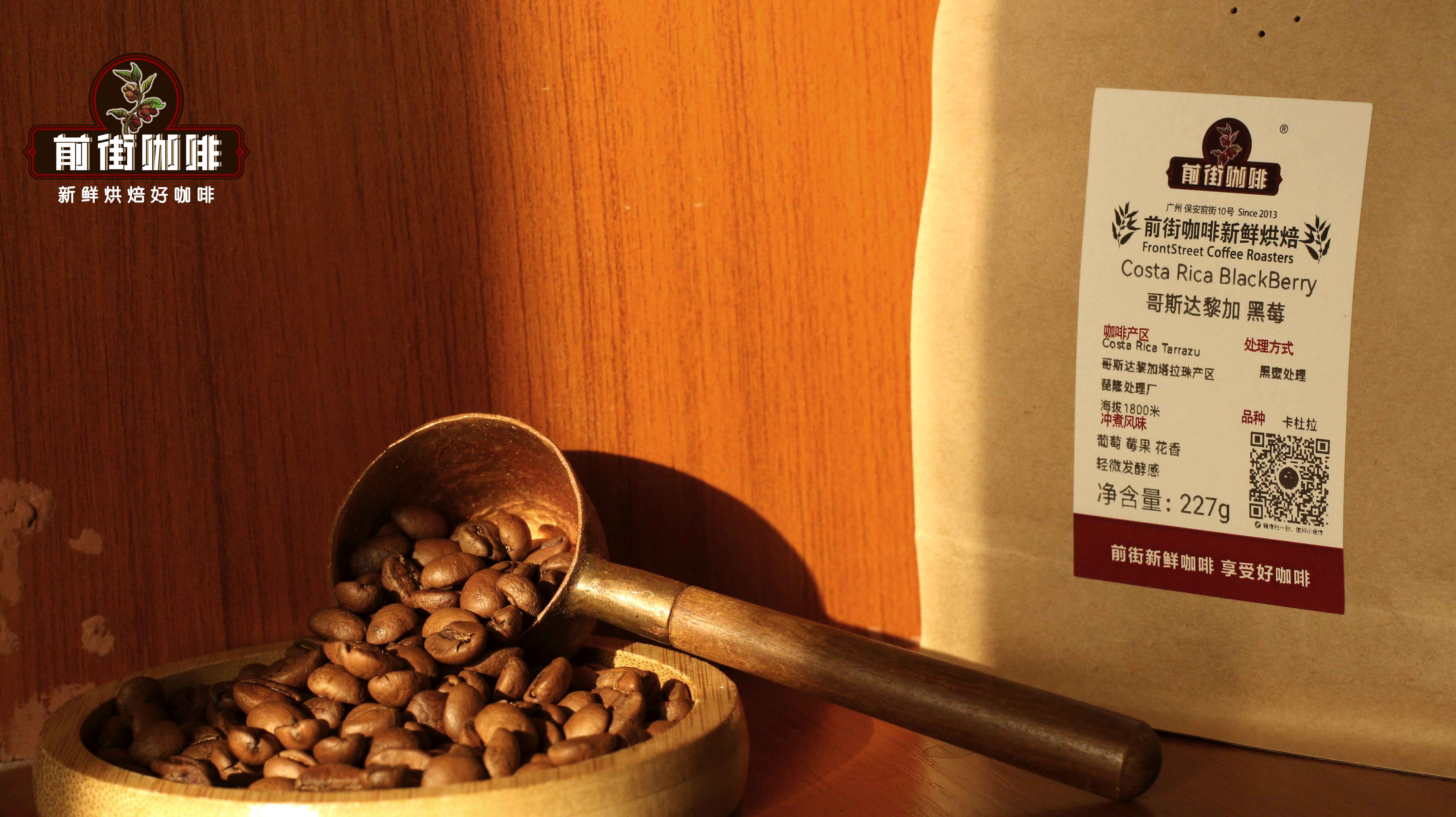
Espresso Single-Origin Beans | Is Espresso Bitter? Recommended High-Sweetness Espresso Beans for Americano and Latte
Many people think that the taste of espresso is only bitter, but in fact, as long as you choose the right coffee beans and control the extraction well, we can drink espresso with a sweet taste. Choosing a high-sweetness espresso bean: from the moment a coffee bean starts to be heated as a green bean until the end of roasting, sweetness is the first flavor to develop, and only afterward [more…]

SCA Coffee Flavor Wheel Analysis Tutorial | What Is Coffee Flavor? Which Single-Origin Coffee Beans Best Represent Coffee Flavor? How Can Beginners Distinguish Coffee Flavor Characteristics?
Professional barista exchange, please follow Front Street Coffee (FrontStreet Coffee). Many friends have asked Front Street's baristas: "Can you really taste so many flavors in the beans? How do you taste them?" First, this is about personal sensory perception. As everyone grows up, [more…]
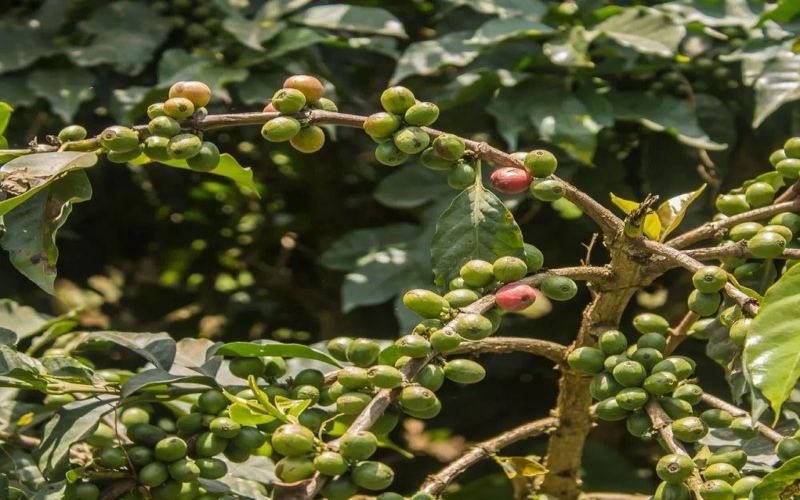
How to Choose Between Sweet and Sour Balance: Looking at Coffee Beans from Light Roast to Dark Roast
A coffee bean with balanced acidity and sweetness is not simply a matter of adding sourness and sweetness together; rather, it has a bright sensation on entry, followed by a soft sweetness, with a finish that is neither sharp nor astringent, and is not overpowered by bitterness. The roast level changes how this balance is expressed: light roasts lean toward aroma and fruity acidity, medium roasts toward rounded sweetness, while dark roasts use caramel and cocoa [more…]
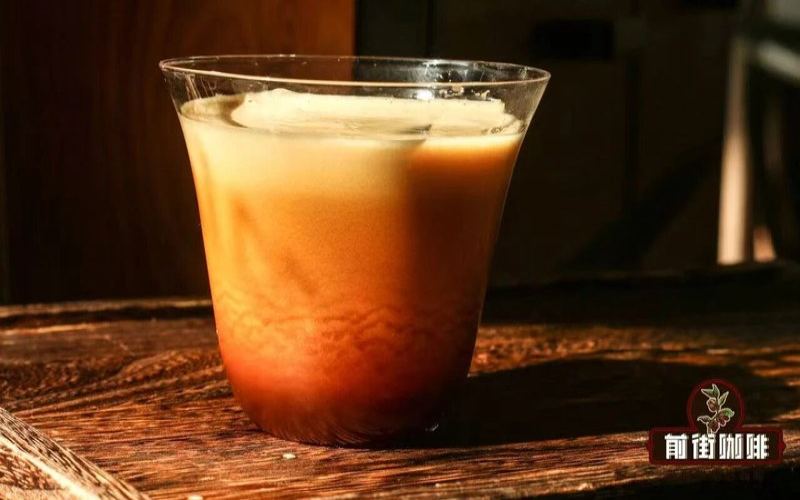
Balanced Sweet and Sour Coffee Beans: How to Choose Roast Level
A balance of acidity and sweetness isn't exclusive to any single type of coffee bean, nor is it simply a matter of adding sourness and sweetness together. The roast level determines where the flavor emphasis lies: when beans are roasted light, fruity notes and a crisp, refreshing quality stand out more; at a medium roast, acidity, sweetness, and body blend together more easily; and as you go darker, caramel, cocoa, and nutty aromas gradually take over. [more…]
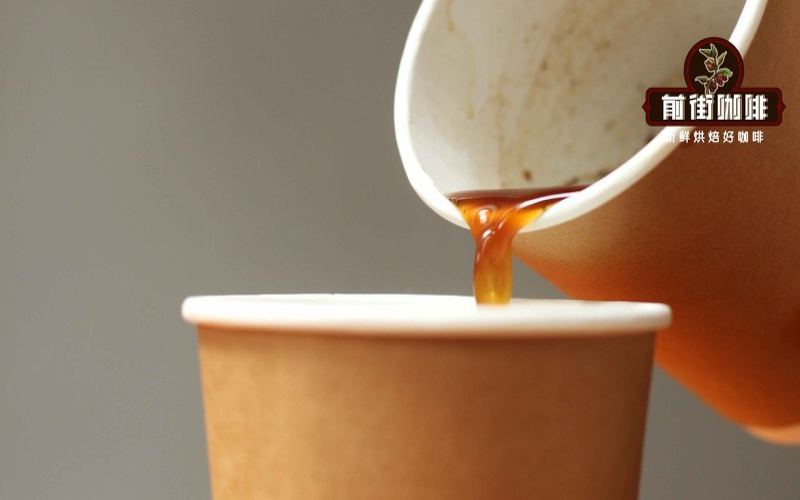
To make an Americano bursting with fruity sweetness, start by mastering the tasting window and the rhythm of opening the bag.
To present a clear, full-bodied sweetness in Americano, the release state of aromatic compounds inside the coffee beans plays a key role. Freshly roasted coffee beans accumulate a large amount of carbon dioxide internally, and these gases hinder the even contact between hot water and coffee grounds, easily bringing out rather harsh off-flavors. As the gas releases steadily, [more…]
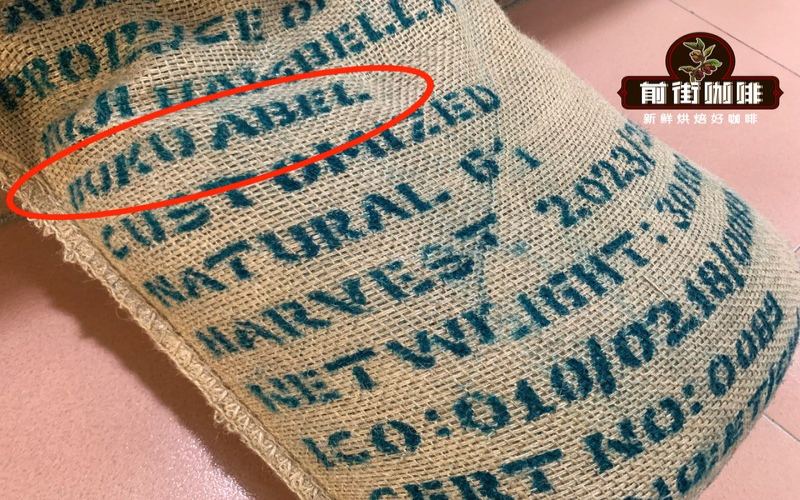
Want a smooth, sweet aftertaste? First, check how far your coffee beans have been roasted.
If you want acidity that doesn't overpower, a smooth entry, and a sweet finish, you can start by looking at the roast level when choosing beans. Roasting time changes the acidity, caramelized aromas, and body of coffee, and the same region can show completely different characteristics under light, medium, and dark roasts. For ordinary coffee consumers, start by roast [more…]
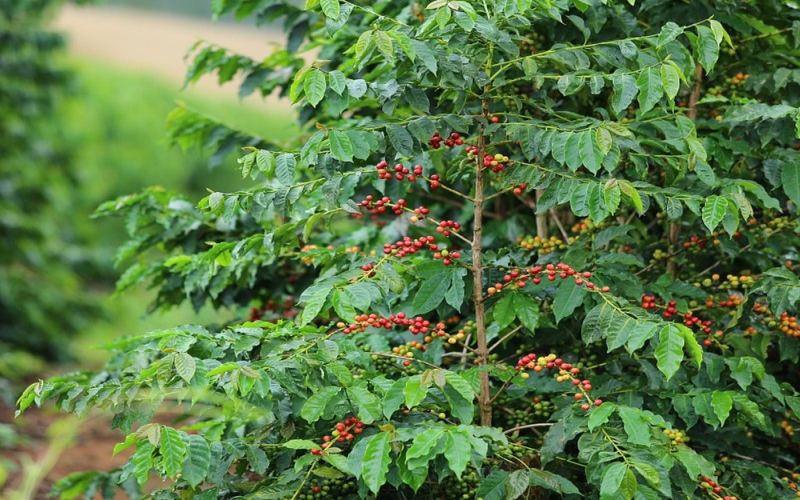
Choosing Americano coffee beans with prominent sweetness by roast level
If you want a noticeably sweet Americano, the roast level of the coffee beans directly shifts the balance in the cup. Light roasts tend to show fruit, florals, and bright acidity, feeling crisp and lively in an iced Americano; medium roasts balance caramel, ripe fruit, and tea-like notes, going down smoothly whether hot or over ice; medium-dark or dark roasts bring cocoa, nuts, and a roasty sweetness. [more…]
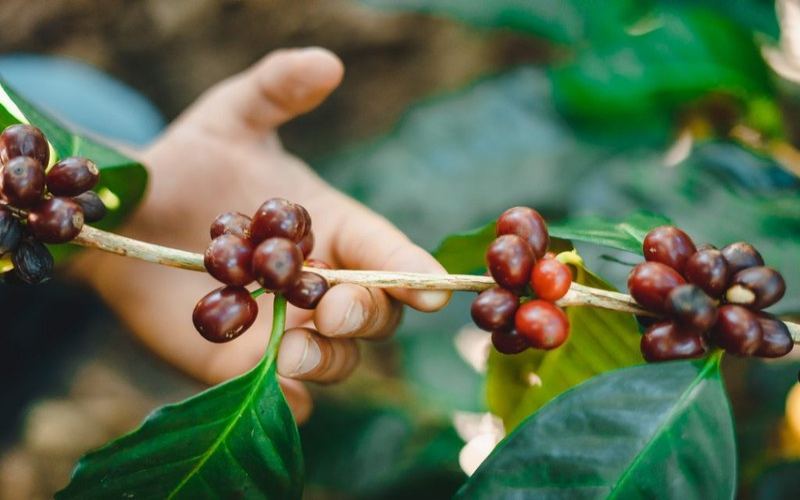
Coffee beans with strong sweetness: how to choose based on roast level
To find coffee beans with a pronounced sweetness, start by looking at the roast level, then decide which type of sweetness you prefer. Light roasts are more like fruit, floral nectar, and juice; medium roasts tend to show caramel, brown sugar, and ripe fruit notes; medium-dark roasts rely on cocoa, nuts, and roasty aromas to create a deep, weighty sweetness. Sweetness does not mean a sugary, syrup-like taste, but rather [more…]
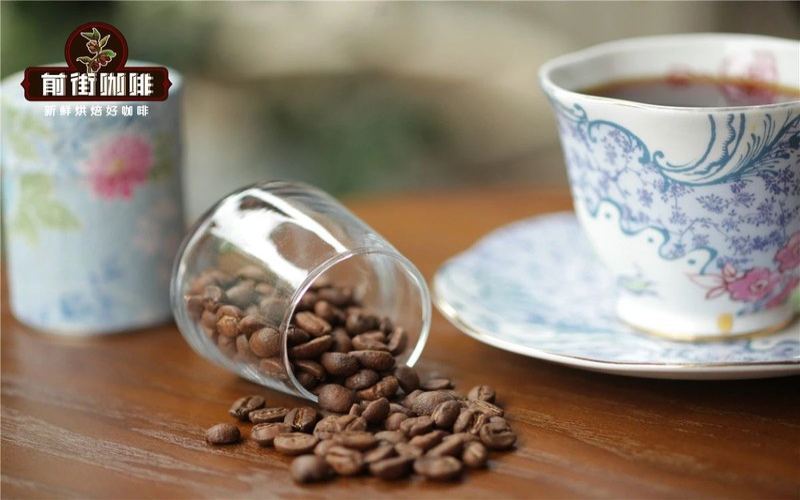
The Roasting Code of Sweet Americano: From Bright Light to Mellow Depth
Even with black coffee, the roast level of the beans pushes sweetness in different directions. A light roast is more like fresh fruit, bright and lively on the palate, suited to those who enjoy a crisp taste; a medium roast brings out syrupy, ripe-fruit and tea notes, rounder overall; a medium-dark roast relies on cocoa, nut and caramel-like aromas to build body. To make a sweet americano, you can [more…]
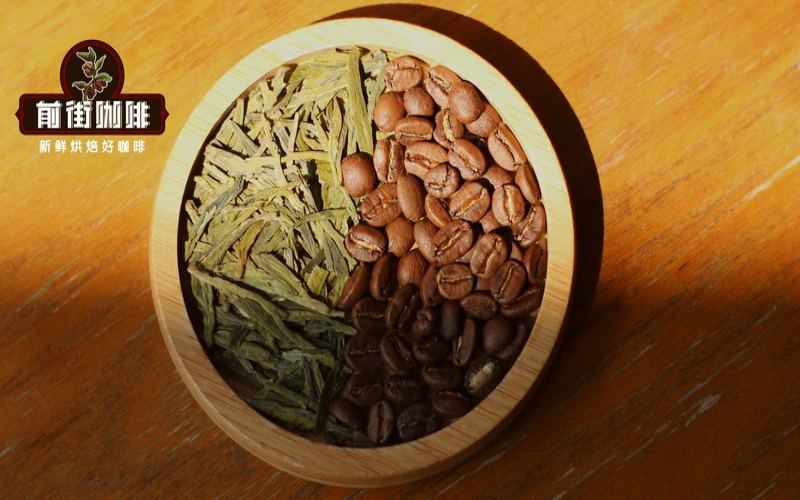
From roasting to opening: the drinking rhythm for sweet-aftertaste coffee beans
If you want a coffee that has a bright acidity that doesn't overpower and a sweet finish, don't just rely on the flavor description when buying beans—also pay attention to the roast date and your own drinking pace. Right after coffee beans leave the roaster, they are still releasing carbon dioxide internally, and their aroma and sweetness have not yet fully opened up; after resting for a period of time, the acidity in the cup becomes softer, and the sweet aftertaste also [more…]